

Mandrills live in troops that can number in the hundreds, the largest gatherings of any primate except humans.
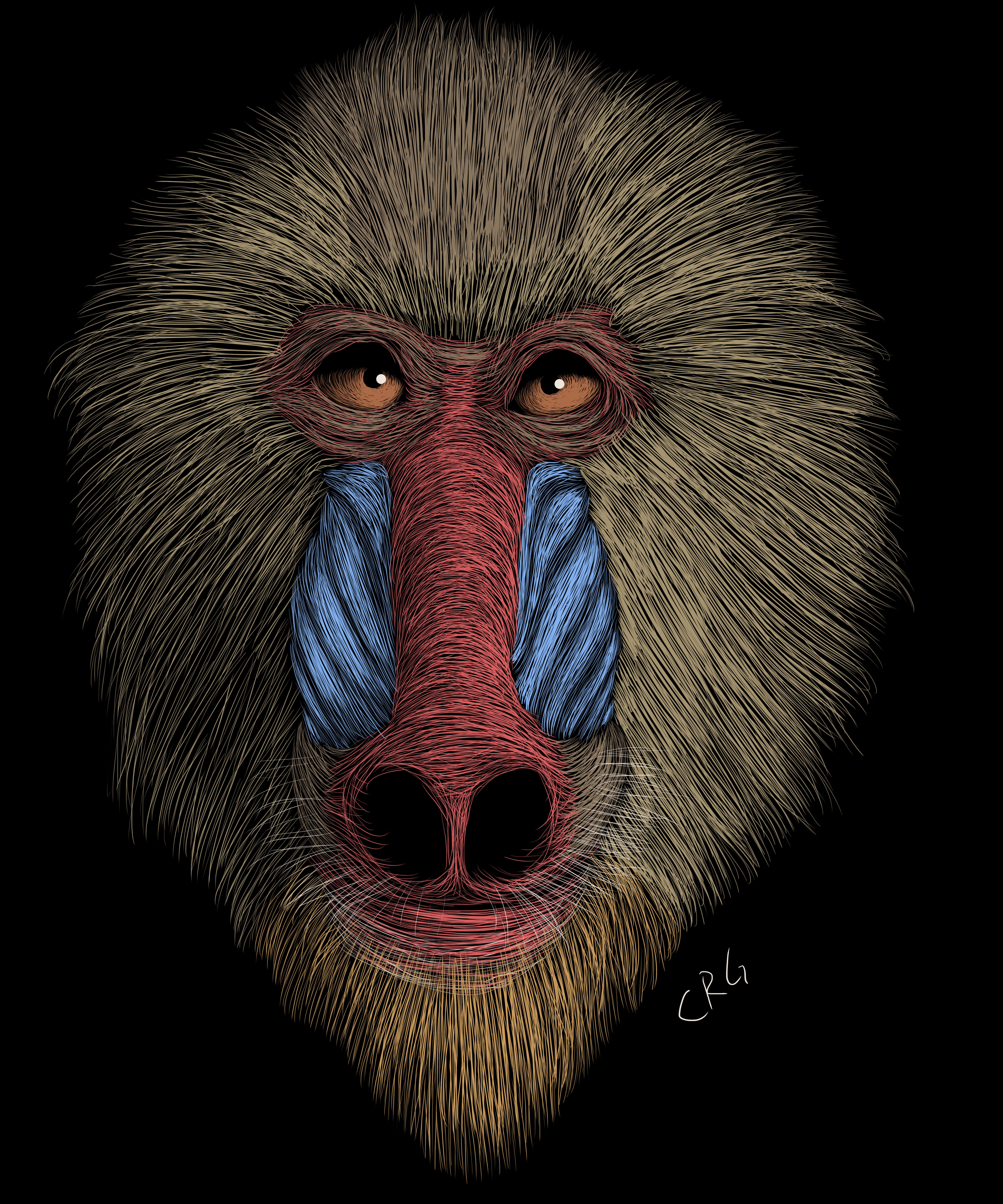
Their faces are painted in brilliant blues and reds, colors that signal health and identity, and within the troop there’s a complex social structure built on relationships rather than just dominance.
Females form the core, mothers and daughters and sisters staying together for life, raising young collectively, grooming each other, sharing the work of vigilance.
Males move between groups, but they’re not rejected—they’re assessed, accepted or not based on behavior, on how they fit into the community’s rhythm.
When food is found, mandrills don’t hoard it; they forage together, the whole group benefiting from each discovery.
There’s strength in numbers, yes, but more than that, there’s strength in connection. We’re not meant to navigate everything alone. The communities we build, the care we extend, that’s what allows all of us to flourish.
Stay wild,
Chris