

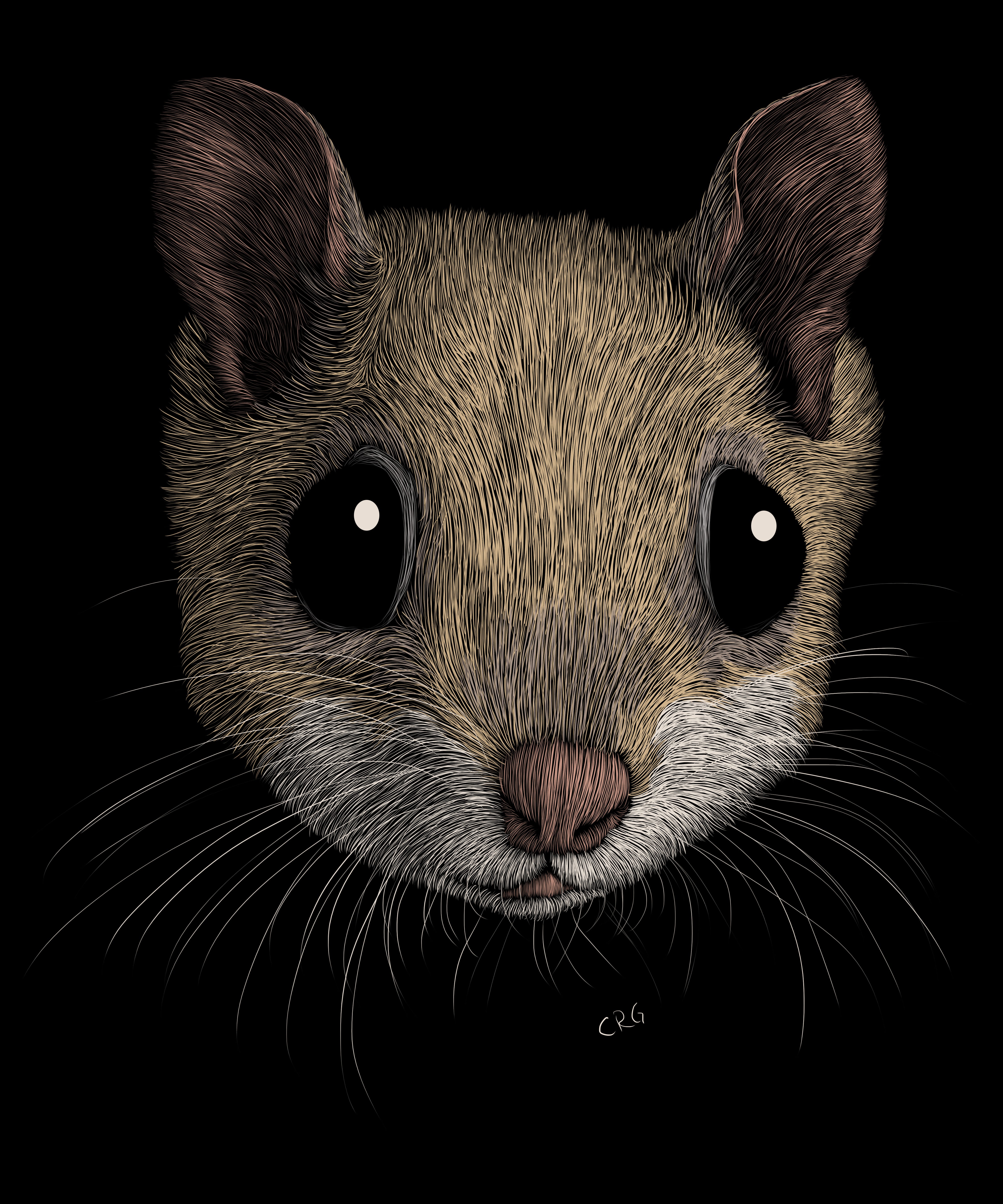
Flying squirrels don’t actually fly—they glide, stretching out the membranes between their legs and soaring from tree to tree through the forest night.
They’re social creatures, often nesting communally, especially in winter, when multiple individuals will huddle together in a tree cavity for warmth, sharing body heat, sharing space, trusting each other in the cold and dark.
Mothers raise their young in these communal nests, and sometimes other females will help care for the pups, a collective effort that ensures the next generation survives.
They communicate through high-pitched chirps and scent marking, coordinating who’s using which trees, which routes, reducing conflict through information rather than aggression.
And when they glide, they’re breathtaking—silent, graceful, covering distances that seem impossible, a reminder that sometimes the way forward isn’t a straight path but a leap into open air, trusting that you’ll land safely.
Community is sometimes literal warmth, literal survival. And the trust to leap, to try something that feels impossible, that’s easier when you know there are others to catch you if you fall.
Stay wild,
Chris