

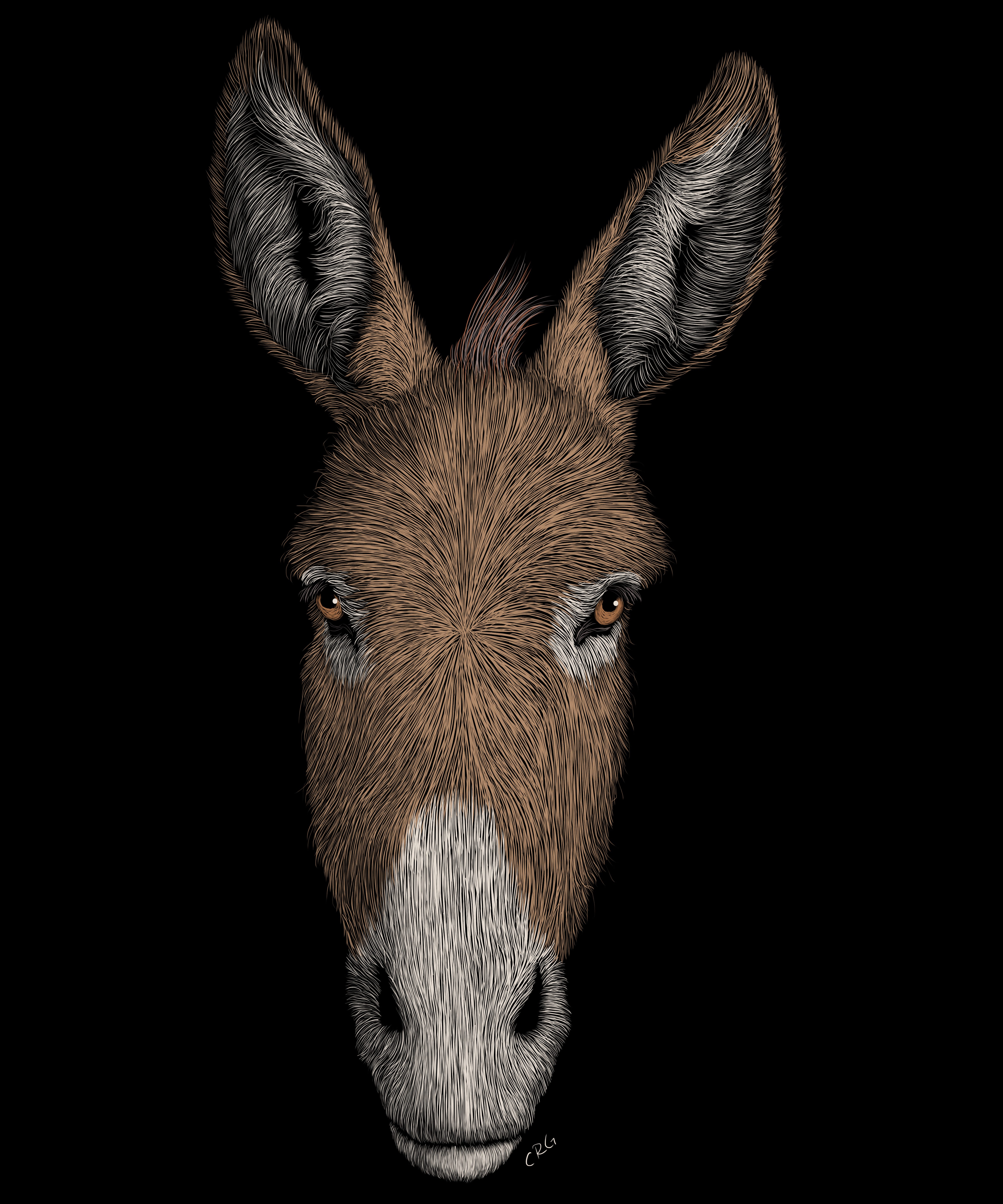
Donkeys are often underestimated, seen as stubborn, but what’s labeled stubbornness is actually intelligence and self-preservation—they assess situations, and if something feels unsafe, they won’t proceed until they’re sure.
In herds, donkeys form close bonds, often pairing up with a preferred companion, and they’ll bray across distances to stay in contact, their voices carrying across valleys and fields.
They’re protective, fiercely so, especially of the young or the vulnerable, and they’re often used as guardians for sheep or goats because they’ll confront predators without hesitation.
A donkey won’t abandon those in their care. Mothers are devoted to their foals, nursing them for months, teaching them, and even after weaning, the bond remains.
There’s a loyalty in donkeys that’s steady, unglamorous, reliable—the kind of loyalty that doesn’t seek recognition but shows up, day after day, regardless.
You don’t have to rush to prove your worth. You don’t have to follow blindly to belong. Thoughtfulness, steadiness, care—those are their own forms of strength.
Stay wild,
Chris